Conferences (and Unconferences)
Where conferences fall flat
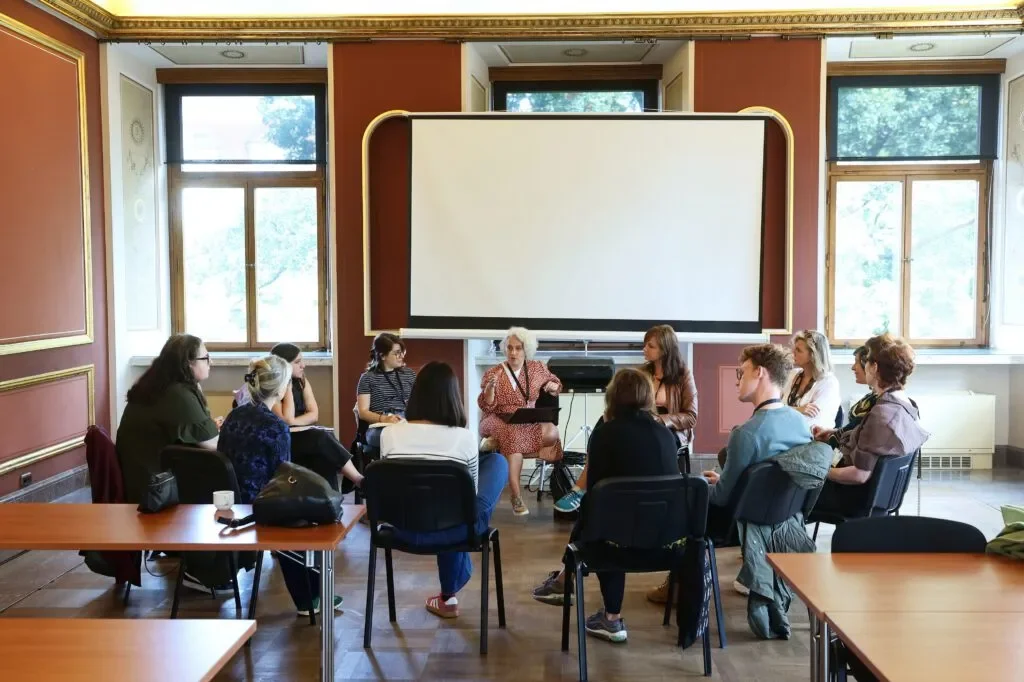
Traditional conference design is speaker-heavy — keynotes and panels stacked back-to-back. Audiences are made into passive observers, often more engaged with their phones than with each other. People speak at you, rather than to each other. Networking is awkward and feels transactional. By the week after the conference, you’ve already moved on. If you’re gathering smart, committed people in one place, you deserve something much better.
We design conferences that move work forward.
Whether you’re hosting 30 leaders or 300 practitioners, we treat a conference (or an unconference - see below) as a strategic intervention. That means:
The right people in the room, curated with intention
Participation by design, from kick-off to close
Structured interactions that spark real collaborations
Real-time synthesis so insights compound, not scatter
Clear next steps before anyone heads home
What’s Different About an Unconference?
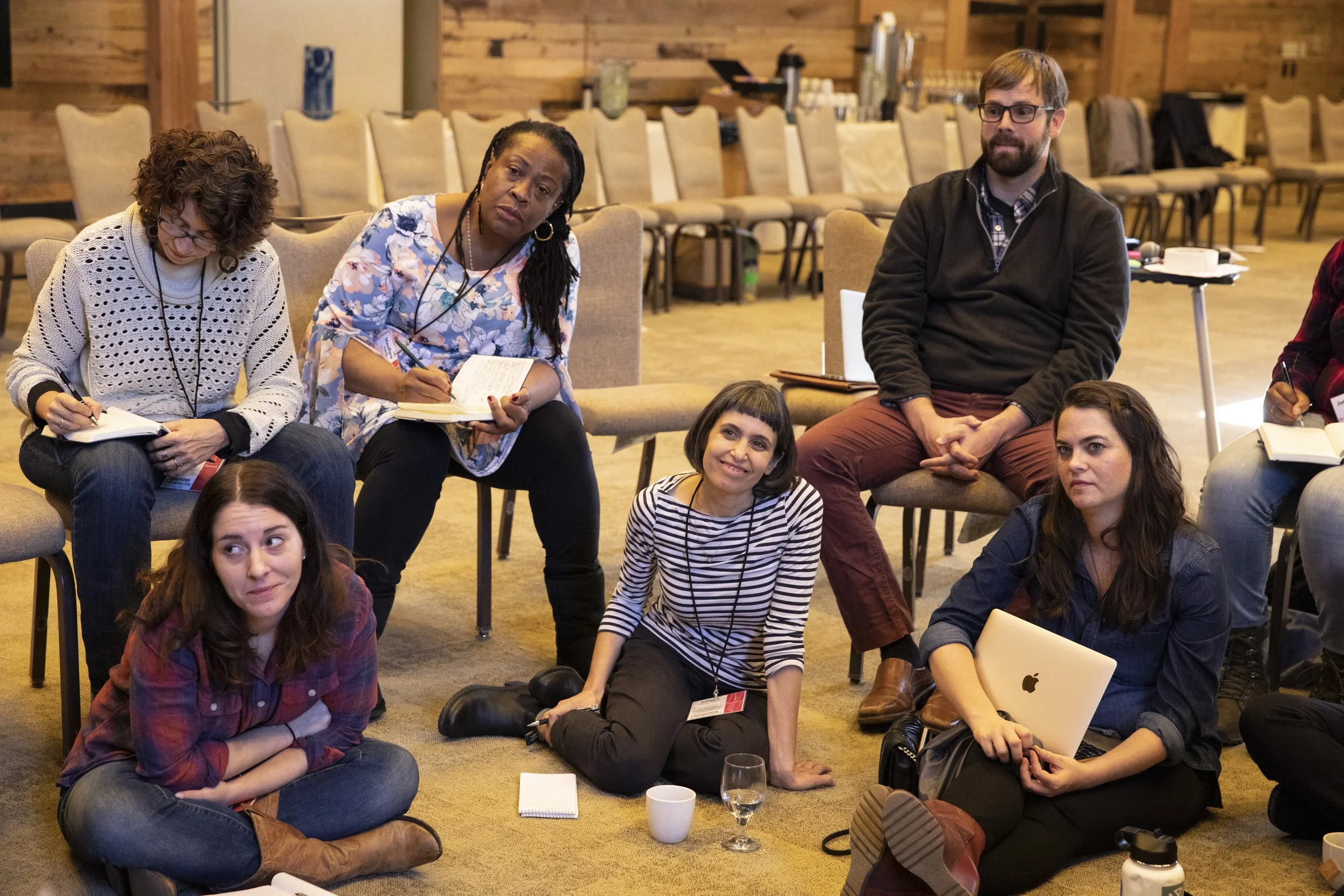
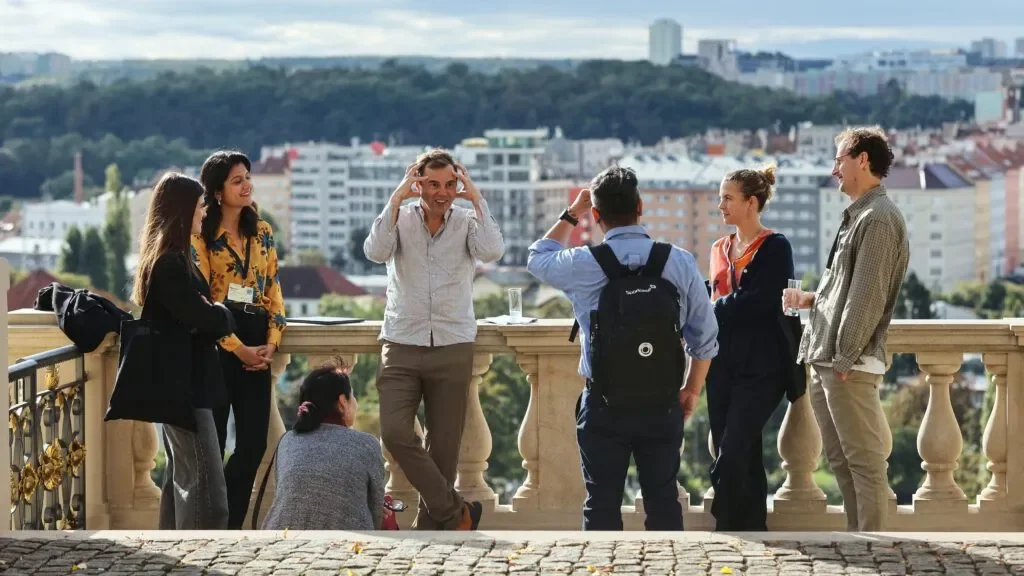
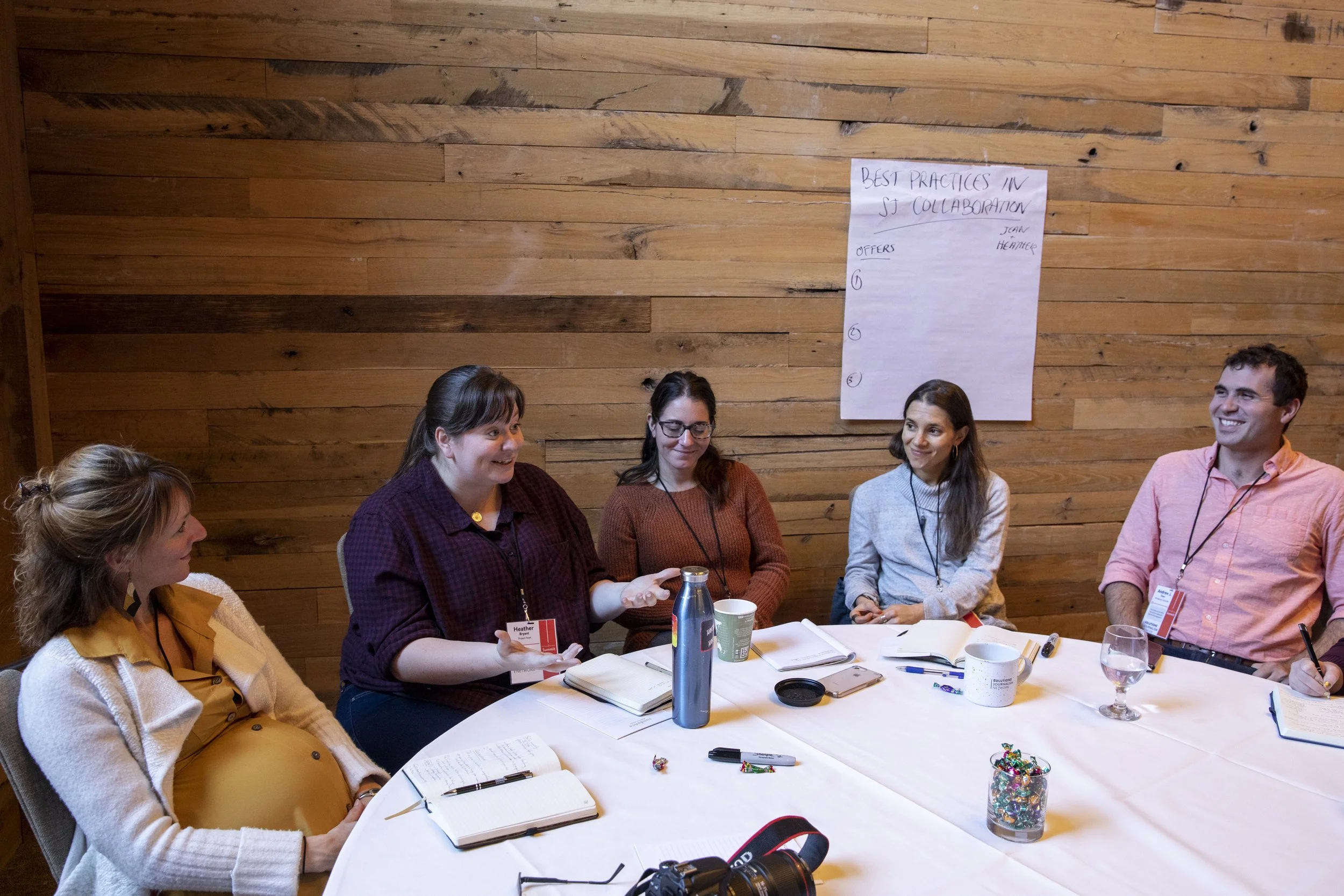
Rather than locking in a pre-set agenda months in advance, an unconference is designed around who is in the room and what specifically they want to get out of the gathering. Through a curated process, participants’ needs directly inform the agenda design, surfacing their questions, expertise, and challenges. Instead of most of the attendees sitting in silence during panels featuring three people like most conferences, small-group breakouts lead to deep engagement, connections and collaborations across the entire group. The flexible agenda can change in real-time according to how the participants’ needs are evolving, and that change happens with great care and structure.
It might sound like chaos. But we promise, it’s not. It instead allows the most relevant and urgent conversations to surface in real time — without sacrificing focus, rigor, or tangible outcomes. It leads to higher engagement, faster relationship-building, meaningful cross-pollination, and practical collaboration that continues long after the event ends.
“In my 25-year career in journalism and media development, I can say with confidence that Sam is one of the best facilitators I’ve encountered. She combines grace, thoughtfulness, and decisiveness — a rare skill set.”
For more testimonials,
see here.
How We Work With You
We work with organization executives and program directors who know they want to bring people together — and need a thought partner to get from idea to execution.
It starts with a kickoff call to understand your goals: what you're hoping to shift, who's in the room, and what success actually looks like. From there, we meet regularly, checking in on attendee composition, content ideas, and offering guidance around logistics, structures, and systems that have worked well for similar gatherings: how to run a scholarship process, how to build a genuinely diverse room, pricing strategies, how to sequence invites, communications, and more. We bring a decade of experience knowing what works and what doesn't.
On the design side, we survey participants in advance — their questions, challenges, and expertise become raw material for the agenda. We draft a structure and flow that directly connect participant needs to your desired outcomes, review it together, and refine until it feels right. After the gathering, a post-event survey captures what worked and what didn't, and we deliver a debrief with recommendations.
Our Design Standard
Every gathering we design is built around a real strategic question — not "How do we convene?" but "What needs to change?" or "Where do we need to be by the end of this?"
We design for the full intelligence of the room, not just who’s on stage (in fact, we don’t even have stages!). We hold structure and emergence in tension: enough architecture to create clarity, enough openness for something unexpected to surface. And every gathering has to produce something — decisions, commitments, shared language, next steps, momentum.
The Result?
Participants leave not just energized, but genuinely connected — with a clearer understanding of the field, their peers, and their role within it. And you leave with visible alignment around shared priorities, stronger networks that can carry work forward, and clearly articulated outcomes that extend beyond the gathering itself.
The momentum becomes the foundation for what happens next.