Team and Organizational Retreats
A Strategic Reset
Executive directors and people and culture teams plan retreats when something needs to shift. Alignment may be fraying as the organization grows. The team may have scaled faster than the culture that once held it together. Trust may feel thinner than it should. Strategy might be clear at the senior level but diffuse across the rest of the organization. Or perhaps a new chapter is beginning.
When you step away from daily operations, it’s an opportunity to strengthen both culture and performance, so that the time away translates into clearer direction and stronger execution when everyone returns.

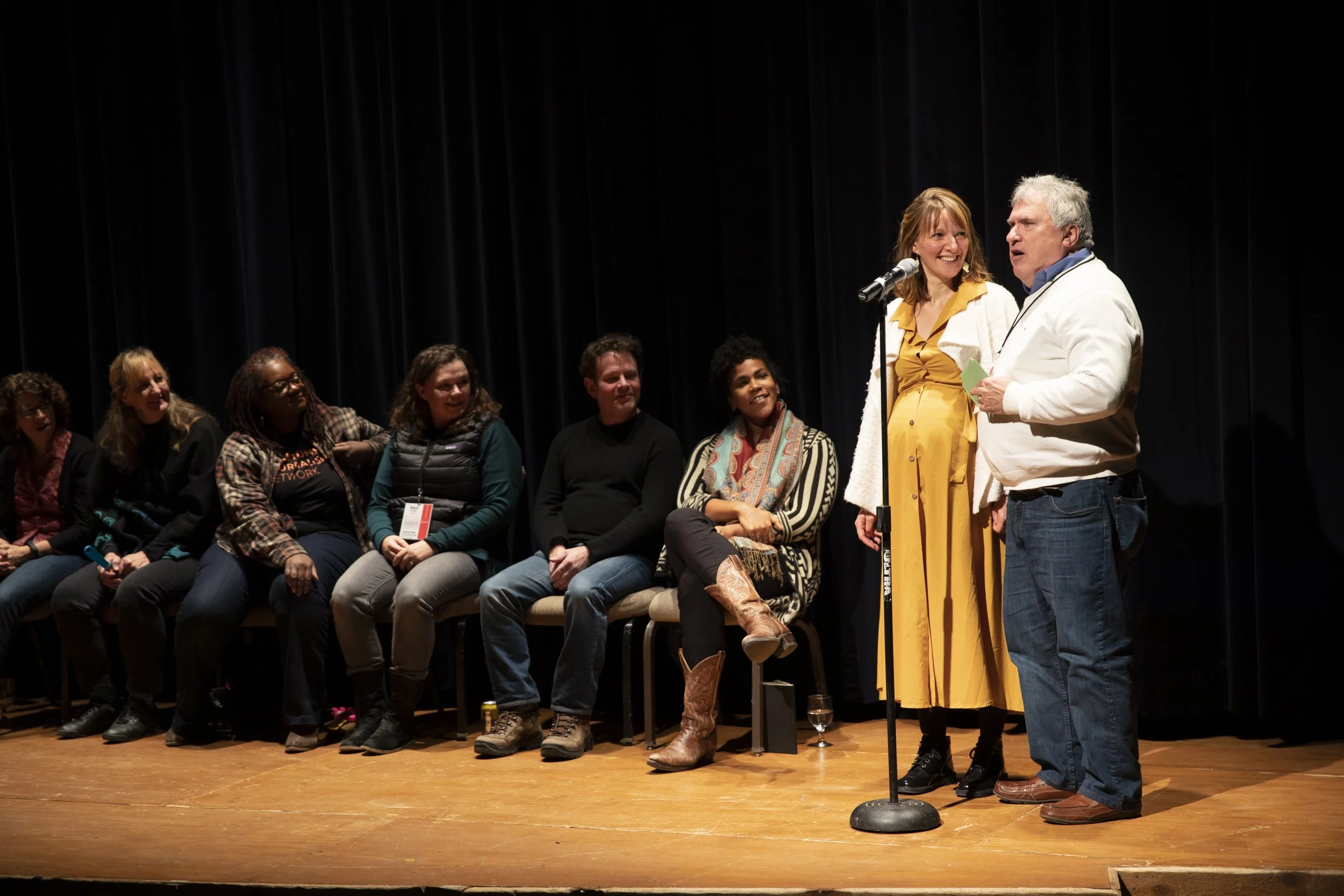
What Makes Our Retreats Different
We approach a retreat as organizational infrastructure. Before we design anything, we work with you to clarify: What must be true after this retreat that isn’t true now? What tensions need to be addressed directly? What decisions need to be made? What behaviors need to shift?
Then we design accordingly. Depending on your needs, that may look like:
A leadership offsite focused on strategic clarity and decision-making
An all-staff retreat to rebuild alignment and shared ownership
A board or executive session to clarify roles and governance
A departmental reset after rapid growth or transition
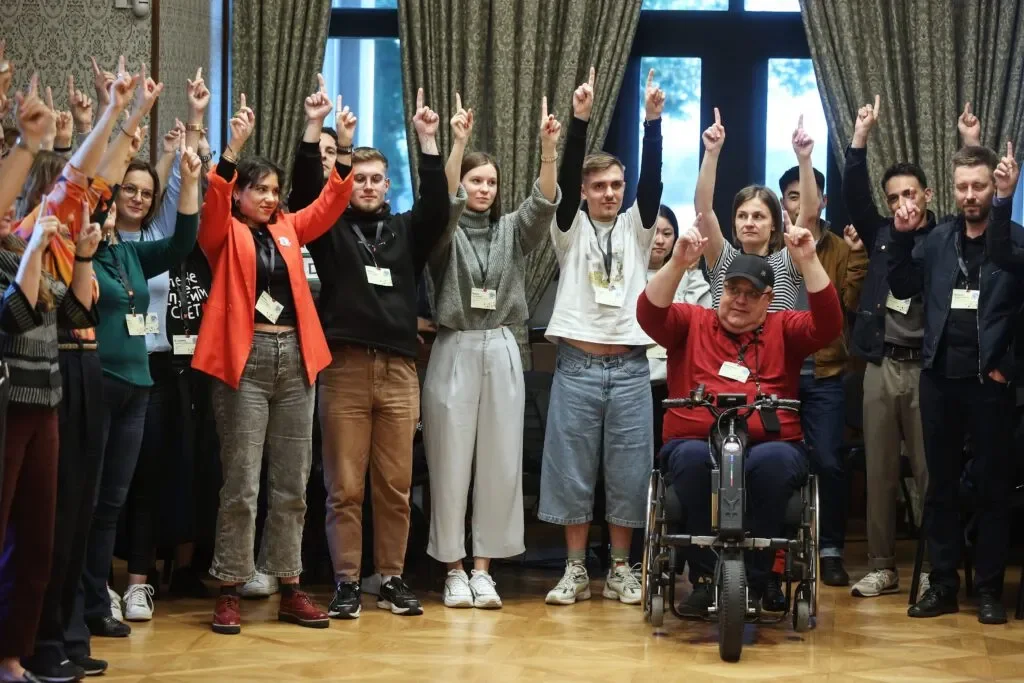

“Sam’s facilitation was outstanding — she created the space and the mood for everyone to contribute, share, and learn. ”
For more testimonials,
see here.
Our Design Standard
Every retreat we facilitate is designed to do real work. We create conditions for honest conversation — surfacing what's often unsaid — without destabilizing the room. We build trust through clarity and shared understanding, not forced vulnerability. We help teams get strategically focused: what are we prioritizing, what are we setting aside, who owns what. And we close with clear next steps, named accountability, and defined timelines.
The Result
A well-designed retreat creates movement. Teams will leave with sharper alignment around priorities, clearer decision-making pathways, defined ownership across roles, and stronger cross-team trust. Expectations are more explicit. Tradeoffs are better understood. People know not only what matters most, but why.
The shift is visible in how work happens afterward — in meetings that are more focused, in decisions that move more efficiently, and in a shared sense of direction that reduces friction rather than amplifying it. Your team returns steadier and more aligned. You return with greater clarity about how the organization moves forward.